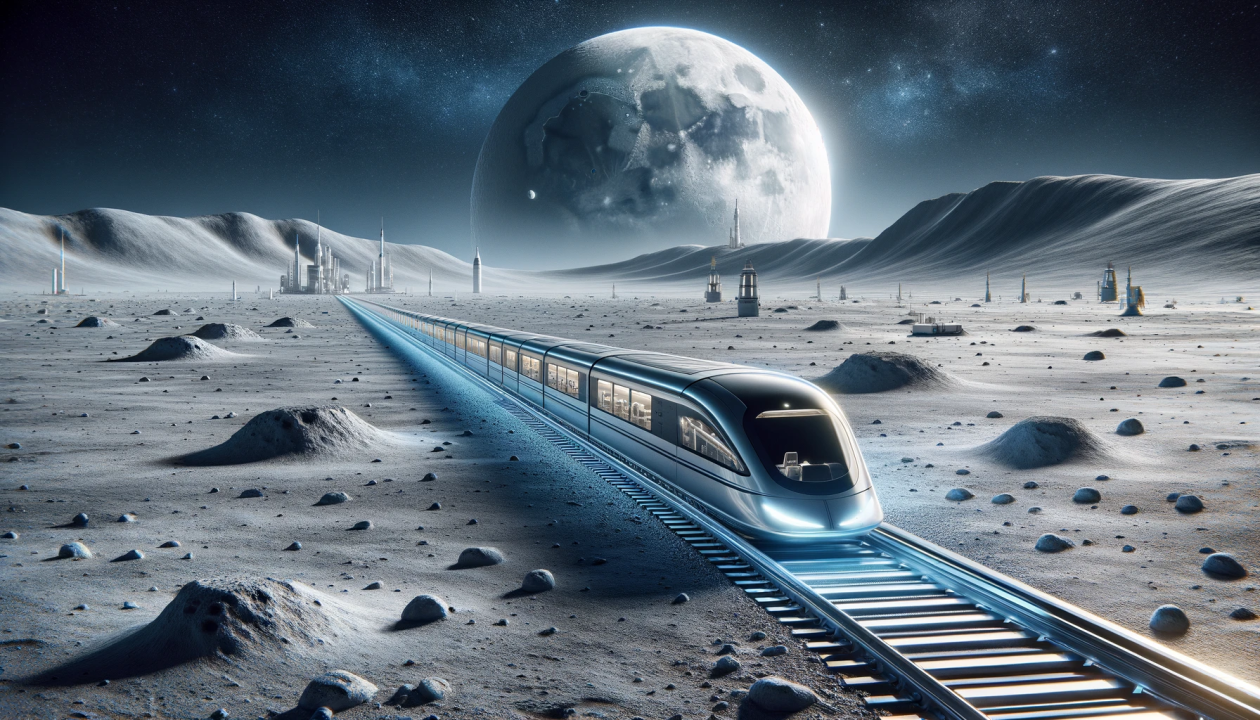
Lunar transportation encompasses the systems, vehicles, and infrastructure designed to move crew, scientific instruments, and cargo across two distinct environments: from the Earth to the Moon (cis-lunar transit) and across the rugged lunar surface (surface mobility).
Cis-Lunar Transit (Earth to Moon)
Getting hardware and humans to the Moon safely involves powerful rockets, specialized insertion trajectories, and flexible commercial landing models.
Orbital Staging: Long-term architectures rely on reusable Lunar Transfer Vehicles (LTV) to manage transit between Earth and Moon orbits, alongside Lunar Excursion Vehicles (LEV) that exclusively handle descending to and ascending from the lunar regolith.
Launch & Trajectory: Spacecraft use chemical rocket engines to execute a Trans-Lunar Injection (TLI) burn from Low Earth Orbit (LEO). This propels them into a highly eccentric orbit. A standard direct transfer journey typically takes 2 to 5 days to reach the Moon.
Commercial Services: Programs like NASA’s Commercial Lunar Payload Services (CLPS) contract private companies to ferry scientific and technological payloads. Blue Origin and ispace are actively developing modular landing vehicles to guarantee high-frequency surface deliveries.